Types of food distribution channels to boost your supply chain
Discover the main types of food distribution channels for UK independent retailers. Compare wholesalers, direct sourcing, and digital platforms to optimise your supply chain.
Types of food distribution channels to boost your supply chain
Independent food retailers and wholesalers in the UK face a critical decision: which distribution channels will deliver the best products, margins, and reliability? Your choice directly impacts supply chain efficiency, product range, and competitive positioning. This guide explores the main types of food distribution channels available, evaluates their strengths and trade-offs, and provides practical criteria to help you select the right mix for your business goals and customer needs.
Table of Contents
Key takeaways
Criteria for selecting food distribution channels
Major types of food distribution channels
Comparing food distribution channels: advantages and challenges
Choosing the right distribution channel for your business
Explore food distribution solutions with Woodford
Frequently asked questions
Key Takeaways
Point | Details |
|---|---|
Channel advantages and risks | Different channels offer distinct advantages and challenges that affect product range, reliability, and the ability to compete. |
Key criteria for selection | Selecting channels requires weighing cost, delivery reliability, product range compatibility, and customer reach against your business model. |
Wholesalers versus local sourcing | Wholesalers dominate on price and breadth while local sourcing offers differentiation but introduces capacity and logistics considerations. |
Technology and resilience importance | Technology and supply chain resilience are increasingly critical for visibility, ordering efficiency, and dependable stock. |
Cost and reach impacts | Choosing the right mix of channels impacts costs, margins, and customer reach while shaping competitive positioning. |
Criteria for selecting food distribution channels
Selecting the right distribution channels requires evaluating several factors that align with your business model and growth ambitions. Cost and pricing structures vary significantly across channels. Wholesale distributors often offer competitive bulk pricing but may include delivery fees and minimum order thresholds. Direct sourcing from producers can reduce intermediary costs but requires higher upfront capital and logistical coordination.
Supply chain resilience and delivery reliability determine your ability to maintain consistent stock levels. Established wholesalers typically provide dependable schedules and backup inventory. Local suppliers may offer flexibility but face capacity constraints during peak demand. Technology adoption matters increasingly as digital ordering systems, inventory tracking, and automated invoicing become industry standards.
Product range compatibility influences your ability to meet diverse customer preferences. Broad-line wholesalers stock thousands of SKUs across categories, whilst speciality suppliers focus on niche segments like organic, artisan, or ethnic foods. Power asymmetry limits small producers’ access to mainstream channels, pushing independents towards direct or local sourcing despite higher operational costs.
Customer reach and market penetration depend on channel accessibility. Partnering with established wholesalers connects you to proven logistics networks and broader market coverage. Direct relationships with producers enable exclusive product offerings that differentiate your store. Consider whether your target customers prioritise price, uniqueness, or convenience when weighing channel options.
Pro Tip: Evaluate channels based on your specific business phase. Start-ups benefit from flexible, low-commitment arrangements with local suppliers, whilst established retailers gain leverage through volume agreements with major wholesalers. Strategic partnerships for brand owners can unlock exclusive distribution rights that set you apart from competitors.
Major types of food distribution channels
UK independent retailers and wholesalers can access food products through four primary distribution channels, each with distinct operational characteristics and trade-offs.
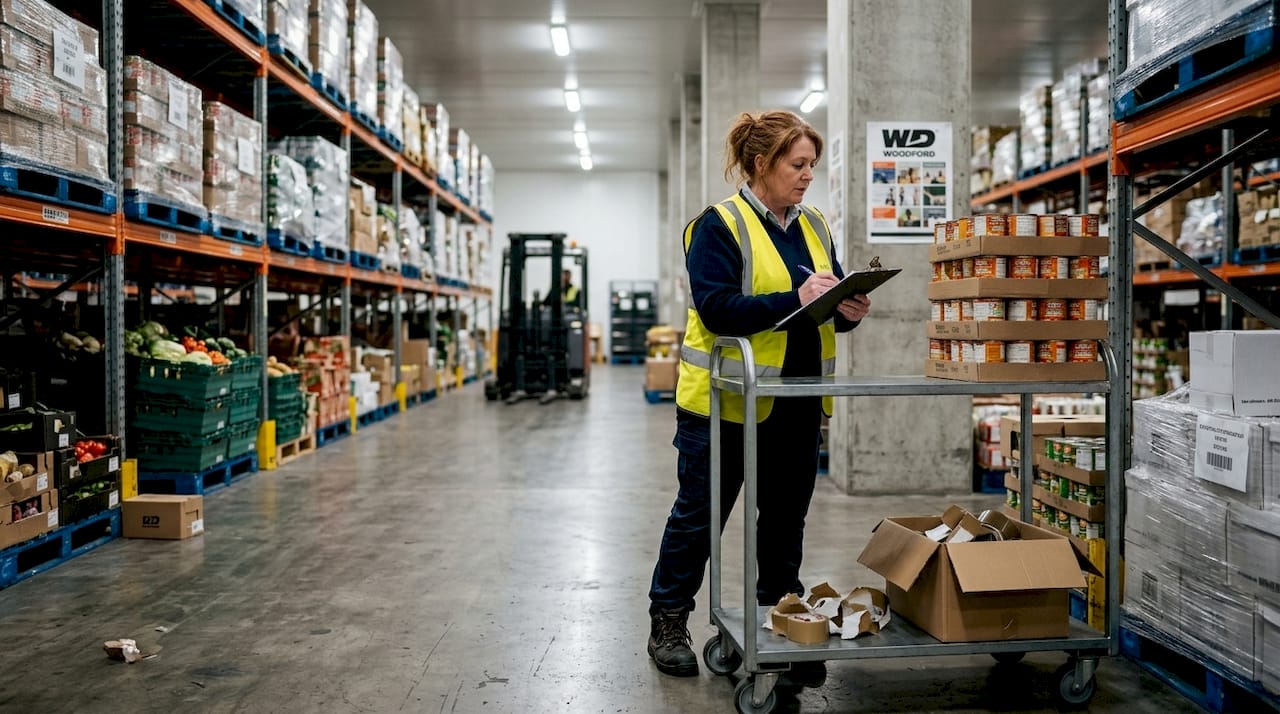
Wholesale distributors dominate the market landscape. Top 10 wholesalers account for over 70% of market share, with major players including Booker, Bidfood, and Brakes. These distributors offer comprehensive product ranges spanning fresh, frozen, ambient, and non-food categories. They provide centralised ordering, scheduled deliveries, and competitive pricing through economies of scale. However, high competition among retailers sourcing from the same wholesalers can limit differentiation. Delivery minimums and account terms may challenge smaller operations.
Direct sourcing from producers connects retailers straight to manufacturers, farms, and food processors. This channel delivers fresher products, unique items unavailable through mainstream distributors, and stronger supplier relationships. You gain control over product selection and can negotiate exclusive arrangements. The trade-offs include higher complexity managing multiple supplier relationships, increased administrative burden, and often higher per-unit costs due to smaller order volumes. Transport logistics become your responsibility unless producers offer delivery.
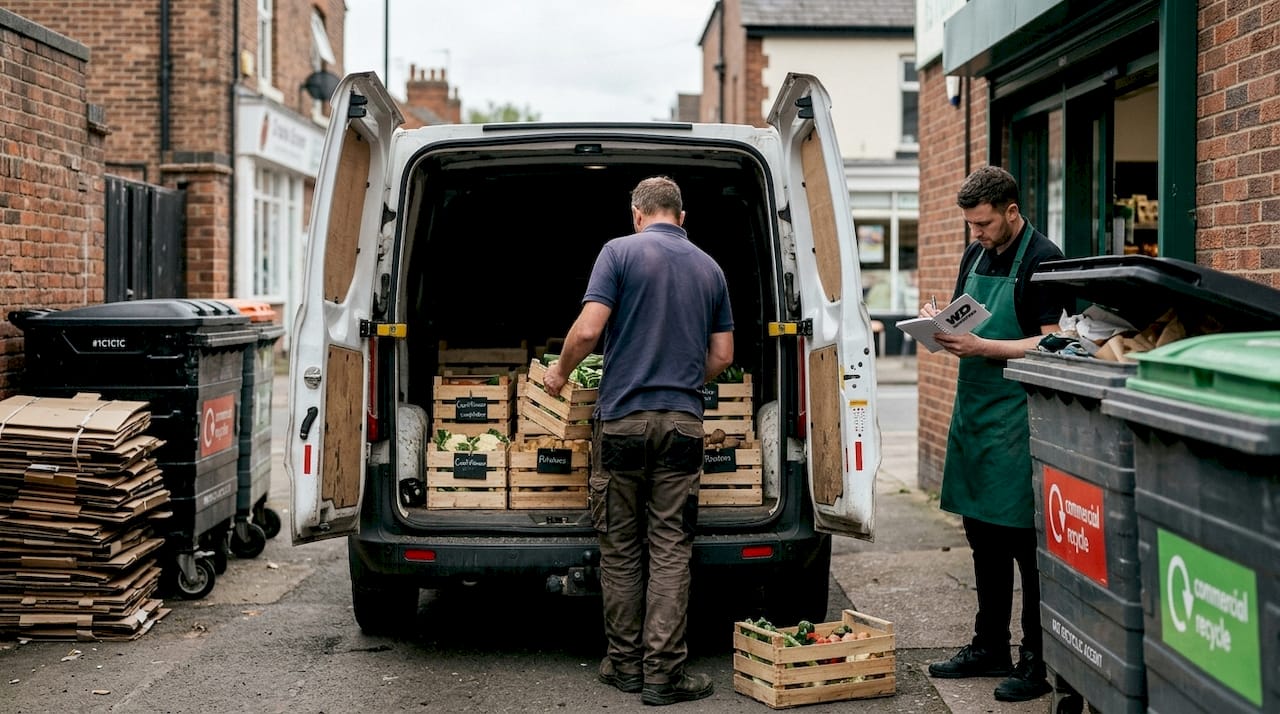
Local and speciality suppliers serve niche markets with regional products, artisan goods, or specific dietary categories. These channels support local economies, appeal to customers seeking provenance and authenticity, and enable premium positioning. Limited scale restricts product availability and delivery frequency. Pricing typically runs higher than wholesale rates, but customer willingness to pay premium prices can offset costs.
Online marketplaces and digital platforms represent the fastest-growing channel. Digital wholesalers like Woodford combine traditional wholesale benefits with modern technology, offering streamlined ordering, real-time inventory visibility, and flexible delivery options. These platforms reduce administrative overhead and enable rapid product discovery. Success requires reliable internet connectivity, staff digital literacy, and integration with your inventory systems. Understanding food packaging best practices UK catering becomes essential when sourcing through digital channels that emphasise presentation and compliance.
Comparing food distribution channels: advantages and challenges
Each distribution channel presents distinct advantages and challenges that affect your operational efficiency, product offering, and profitability.
Cost structures vary dramatically. Wholesale distributors leverage bulk purchasing to offer competitive unit prices, typically 15-25% below direct sourcing costs for commodity items. However, delivery charges and account fees can erode savings for smaller orders. Direct sourcing eliminates intermediary margins but requires managing transport, storage, and potentially higher waste from larger minimum orders. Local suppliers command premium pricing, often 20-40% above wholesale rates, justified by product uniqueness and quality.
Speed and reliability differ across channels. Established wholesalers maintain predictable delivery schedules, backup inventory, and established logistics networks. Direct sourcing introduces variability based on producer capacity, seasonal availability, and transport arrangements. Local suppliers often provide same-day or next-day delivery within their service radius but may lack contingency plans during disruptions.
Product range and exclusivity create competitive differentiation. Wholesalers stock thousands of SKUs but offer limited exclusivity since competitors access identical products. Direct sourcing enables unique product selection and potential exclusive agreements that set your offering apart. Independent retailers hold only 5% of total UK food sales but 46% of consumers shop them monthly, demonstrating that niche positioning through distinctive products drives customer loyalty.
Channel type | Cost efficiency | Delivery reliability | Product uniqueness | Technology support |
|---|---|---|---|---|
Wholesale distributors | High volume discounts | Very reliable | Low exclusivity | Advanced platforms |
Direct from producers | Moderate to high | Variable | High exclusivity | Basic to moderate |
Local suppliers | Premium pricing | Moderate | High uniqueness | Limited |
Digital platforms | Competitive | Reliable | Moderate variety | Excellent |
Technology support and ordering convenience increasingly influence channel selection. Digital wholesalers provide intuitive ordering interfaces, automated reordering, and integrated accounting. Traditional wholesalers offer phone and email ordering but may lack real-time inventory visibility. Direct sourcing typically requires managing multiple communication channels and manual order tracking.
Pro Tip: Calculate total cost of ownership beyond unit prices. Factor in delivery fees, minimum orders, payment terms, administrative time, and waste rates. A channel with higher unit costs but lower operational overhead may deliver better overall profitability. Review services for retailers that bundle multiple benefits into streamlined solutions.
Choosing the right distribution channel for your business
Selecting optimal distribution channels requires aligning your business circumstances, customer expectations, and growth objectives with channel capabilities.
Assess your business size and capital availability. Start-ups with limited cash flow benefit from flexible payment terms and lower minimum orders offered by some local suppliers and digital platforms. Established retailers with stronger capital positions can negotiate volume discounts with major wholesalers or invest in direct sourcing relationships that require upfront commitments.
Evaluate your customer base needs. Price-sensitive customers expect competitive pricing achievable through efficient wholesale channels. Quality-focused customers value unique, premium products sourced directly or through speciality suppliers. Survey your customers to understand whether they prioritise value, variety, or distinctiveness.
Consider supply chain risks and technology readiness. Supply chain resilience prioritises robustness and recovery over reorientation due to SME constraints and digital adoption barriers. Diversify across multiple channels to mitigate single-source dependency. Ensure your team possesses the digital skills needed for platform-based ordering or invest in training.
Develop a diversification strategy. Combine a primary wholesale partner for core categories with direct sourcing for signature products that differentiate your offering. Add local suppliers for seasonal specialities that create promotional opportunities. This hybrid approach balances operational efficiency with competitive distinctiveness.
Build direct relationships for speciality products. Establish partnerships with producers whose products align with your brand positioning. Negotiate exclusive distribution rights within your territory when possible. These relationships create barriers to competition whilst strengthening your unique value proposition. Explore Woodford’s brands to identify potential exclusive partnerships.
Monitor performance metrics continuously. Track gross margin by channel, delivery reliability rates, product waste percentages, and customer satisfaction scores. Adjust your channel mix quarterly based on performance data and changing market conditions.
Explore food distribution solutions with Woodford
Woodford bridges the gap between visionary food brands and ambitious independent retailers through strategic wholesale solutions tailored for UK independents. Our curated portfolio connects you with trend-led brands and established favourites, whilst our logistics network ensures reliable, hassle-free delivery across the country. We understand the unique challenges facing independent food retailers and wholesalers, from managing cash flow to differentiating product ranges in competitive markets.
Our platform combines the scale advantages of traditional wholesale with the convenience of modern digital ordering. Access exclusive brands, competitive pricing, and flexible ordering that adapts to your business rhythm. Whether you’re seeking to expand your product range, improve supply chain reliability, or discover emerging food trends, Woodford provides the distribution partnership that supports your growth ambitions. Visit the Woodford homepage to explore our complete range of solutions for retailers, or browse Woodford brands to discover products that will set your store apart.
Frequently asked questions
What are the main types of food distribution channels?
The four primary channels are wholesale distributors offering broad product ranges and economies of scale, direct sourcing from producers providing unique products and fresher stock, local and speciality suppliers focusing on niche categories, and digital platforms combining wholesale benefits with modern technology. Each channel serves different business needs and customer expectations.
Should independent retailers use wholesalers or direct sourcing?
Most successful independents use both strategically. Wholesalers provide cost-efficient access to core product categories with reliable delivery and broad selection. Direct sourcing enables differentiation through exclusive or unique products that justify premium pricing. Combining channels balances operational efficiency with competitive distinctiveness.
How does technology affect modern food distribution?
Digital platforms streamline ordering through intuitive interfaces, provide real-time inventory visibility, automate reordering based on sales patterns, and integrate with accounting systems. Technology reduces administrative overhead, minimises ordering errors, and enables data-driven purchasing decisions. Retailers lacking digital capabilities face increasing competitive disadvantages.
What challenges do independent food retailers face with distribution?
Key challenges include limited negotiating power with major wholesalers, higher per-unit costs compared to large chains, difficulty accessing exclusive products, managing multiple supplier relationships, and maintaining supply chain resilience during disruptions. Capital constraints limit inventory investment, whilst delivery minimums can force overstocking.
How can retailers combine multiple distribution channels effectively?
Establish a primary wholesaler for high-volume core categories, add direct relationships with two to three producers for signature products, incorporate local suppliers for seasonal specialities, and use digital platforms for convenience and product discovery. Monitor each channel’s performance monthly, adjusting the mix based on margin contribution, reliability, and customer response.