Food logistics tips for UK independent retailers in 2026
Discover practical food logistics strategies for UK independent retailers in 2026. Learn how to optimise cold-chain, reduce waste, and improve supply chain efficiency.
Food logistics tips for UK independent retailers in 2026
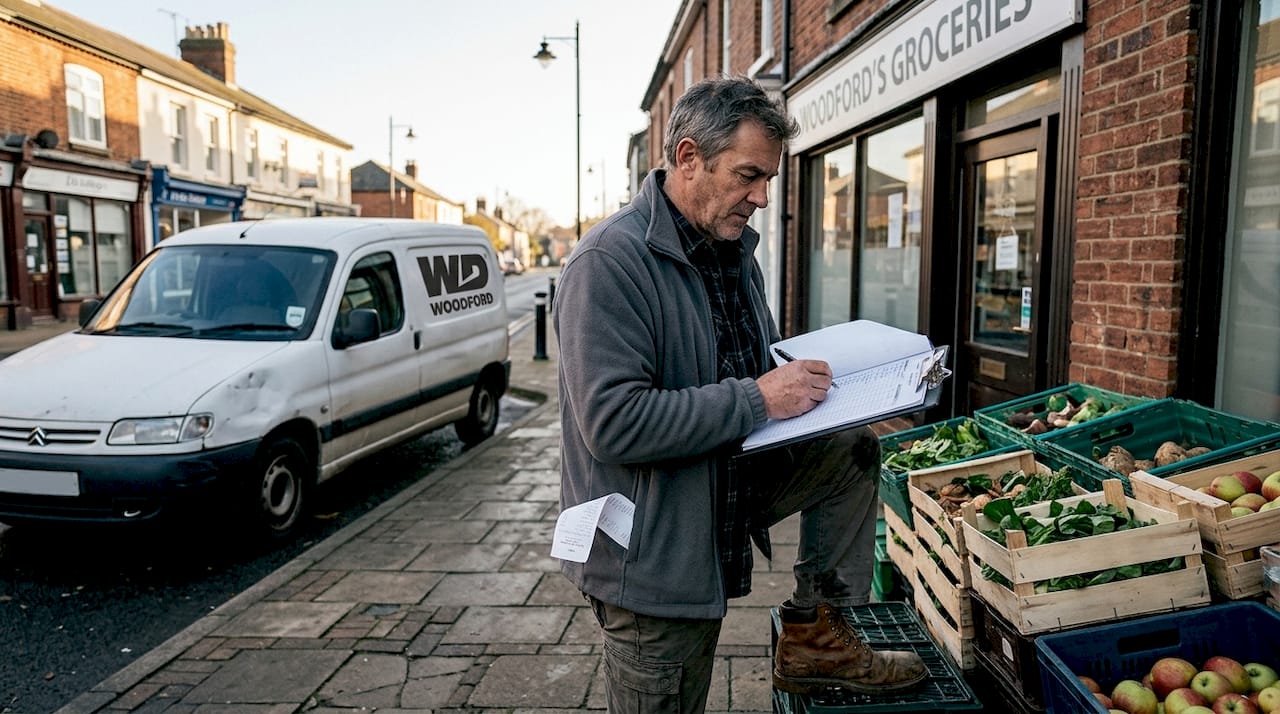
Independent food retailers face mounting pressure to deliver fresh products whilst managing costs, compliance, and customer expectations. Poor logistics decisions can result in spoilage, regulatory penalties, and lost sales. This guide presents practical food logistics strategies tailored for UK independents, from evaluating cold-chain partners to reducing waste through smarter inventory practices. You’ll discover how to assess your needs, compare solutions, and implement sustainable logistics that protect margins and build customer loyalty in 2026’s competitive market.
Table of Contents
How To Assess Your Food Logistics Needs
Top Food Logistics Strategies For UK Independent Retailers
Comparing Cold-Chain Options And Technology Tools
How To Reduce Food Waste And Improve Sustainability In Logistics
Improve Your Logistics With Woodford’s Expert Services
What Are The Main Benefits Of Using Specialist Food Logistics Partners?
How Can Automation Improve Warehouse Accuracy For Food Retailers?
Why Is Cold-Chain Logistics Critical For Independent Food Retailers?
What Practical Steps Can Retailers Take To Reduce Food Waste In Logistics?
Key takeaways
Point | Details |
|---|---|
Specialist partners | Use cold-chain experts to maintain temperature control and regulatory compliance |
Warehouse automation | Implement systems that reduce picking errors and improve order accuracy |
Regular audits | Schedule supply chain integrity checks to catch issues before they escalate |
Cold-chain priority | Invest in proper refrigeration and transport for perishable inventory |
Waste reduction | Optimise packaging and inventory rotation to minimise food loss |
How to assess your food logistics needs
Before selecting logistics solutions, you must understand your specific operational requirements. Start by mapping your product portfolio to identify temperature control needs. Fresh produce, dairy, and frozen goods each demand different handling protocols. Products requiring strict cold-chain management need partners with proven refrigeration capabilities and real-time monitoring.
Evaluate your compliance obligations next. UK food retailers must adhere to Food Standards Agency regulations, allergen labelling requirements, and traceability standards. Your logistics partner should demonstrate expertise in these areas. Route optimisation becomes critical when serving multiple locations, you need systems that calculate efficient delivery sequences whilst respecting temperature windows.
Technology adoption level matters significantly. Modern platforms provide end-to-end visibility from order placement through payment processing. AI and IoT sensors enable quick commerce capabilities that customers increasingly expect. Assess whether your current systems integrate with potential logistics partners or if you’ll need new infrastructure.
Supplier reliability deserves thorough examination. Request references from retailers with similar product mixes and delivery zones. Audit processes should include documented quality checks, temperature logs, and incident response protocols. A partner’s track record with perishables reveals more than marketing materials ever will.
Budget constraints shape every decision, but focus on total cost of ownership rather than headline rates. Calculate potential spoilage savings, compliance risk reduction, and customer retention benefits. Scalability ensures your logistics solution grows with your business without requiring painful transitions. Consider seasonal demand fluctuations and expansion plans when evaluating capacity.
Pro Tip: Create a scorecard weighting each criterion by importance to your business, then rate potential partners numerically to make objective comparisons.
Key evaluation criteria:
Temperature control capabilities and monitoring systems
Regulatory compliance track record and documentation
Technology integration and visibility tools
Supplier audit frequency and thoroughness
Pricing structure and scalability options
Top food logistics strategies for UK independent retailers
Engaging specialist cold-chain partners dramatically reduces spoilage and delivery failures. These providers maintain temperature-controlled transport and storage specifically designed for perishables. Their expertise in handling fresh and frozen goods prevents costly losses that generic logistics companies often cause. Specialist partners understand the nuances of different product categories, from the precise humidity requirements for leafy greens to the strict temperature bands for frozen seafood.
Automation transforms warehouse accuracy. Warehouse management systems reduce human error in picking and packing operations. Barcode scanning, automated inventory tracking, and digital picking lists eliminate the manual mistakes that compromise food safety. These systems provide real-time stock visibility, preventing situations where you promise products you cannot deliver. Integration with your point-of-sale system creates seamless replenishment cycles.
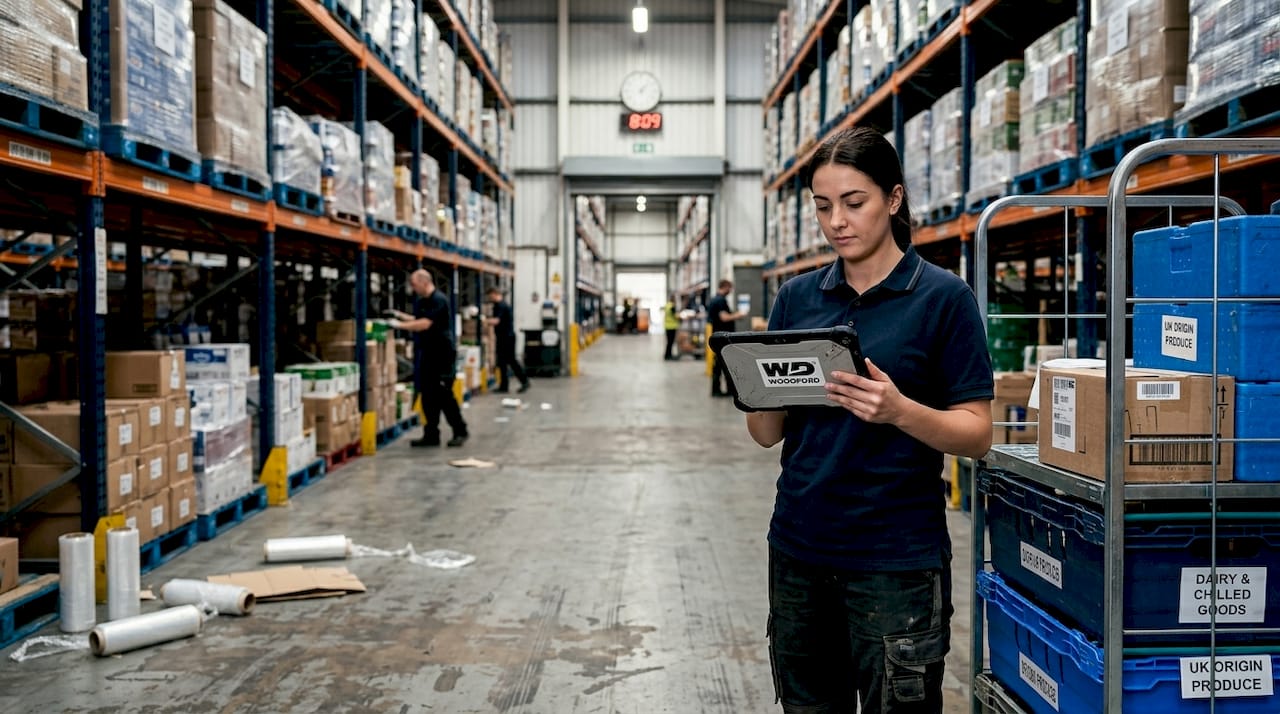
Regular supply chain audits catch problems before they escalate. Good Faith Receiving programmes verify that deliveries match orders in quantity, quality, and condition. These audits examine temperature logs, packaging integrity, and expiry dates systematically. Schedule quarterly reviews of your entire logistics chain, from supplier facilities through final delivery. Document findings and track corrective actions to demonstrate continuous improvement.
Delivery timeliness directly impacts product quality and customer satisfaction. Establish service level agreements with specific delivery windows and temperature maintenance guarantees. Monitor performance metrics weekly, not monthly. Late deliveries of perishables often mean total losses rather than delayed sales. Your logistics partner should provide real-time tracking and proactive communication about any delays.
Pro Tip: Implement a traffic light system for supplier performance, green for consistent excellence, amber for occasional issues, and red for partners requiring immediate review or replacement.
Implementation priorities:
Vet cold-chain credentials thoroughly before signing contracts
Start automation with highest-volume, highest-error product categories
Build audit schedules into annual operational calendars
Create escalation protocols for delivery failures
Review logistics performance in monthly management meetings
Comparing cold-chain options and technology tools
Cold-chain logistics encompasses refrigerated warehousing, temperature-controlled transport, and monitoring systems that maintain product integrity from supplier to shelf. The UK cold-chain market commands 64.2% share of food logistics, growing at 6.8% annually. This dominance reflects the critical importance of proper temperature management for perishables. Understanding component differences helps you select appropriate solutions.
Refrigerated warehouse providers vary significantly in capabilities. Multi-temperature facilities handle products requiring different zones, from ambient to deep freeze. Single-temperature warehouses offer lower costs but less flexibility. Evaluate pick accuracy rates, stock rotation practices, and pest control measures. Some providers offer value-added services like repackaging, labelling, or quality inspections that reduce your operational burden.
Transport options include dedicated refrigerated vehicles, shared cold-chain networks, and hybrid models. Dedicated vehicles provide maximum control and flexibility but require sufficient volume to justify costs. Shared networks offer economies of scale with predetermined routes and schedules. Hybrid approaches combine both, using dedicated vehicles for core routes and shared networks for overflow or remote locations.
Warehouse management systems range from basic inventory tracking to sophisticated platforms integrating order management, forecasting, and supplier portals. Cloud-based solutions offer lower upfront costs and automatic updates. On-premise systems provide greater customisation but require IT resources. Evaluate integration capabilities with your existing accounting, point-of-sale, and supplier systems.
Cold-chain comparison factors:
| Factor | Dedicated Solution | Shared Network | Hybrid Model |
| — | — | — |
| Cost structure | Higher fixed costs | Lower per-unit costs | Balanced approach |
| Flexibility | Maximum control | Limited routes | Moderate flexibility |
| Minimum volume | High threshold | Low threshold | Medium threshold |
| Service customisation | Fully tailored | Standardised | Partially customised |
Pro Tip: Request trial periods or pilot programmes before committing to long-term contracts, allowing you to validate performance claims with your actual products and routes.
How to reduce food waste and improve sustainability in logistics
Inventory rotation prevents waste through systematic stock management. Implement First In, First Out practices rigorously, placing newer stock behind older products on shelves and in storage. Train staff to check expiry dates during receiving and picking operations. Digital systems can flag approaching expiry dates automatically, triggering promotional pricing or donation programmes before products become unsaleable.
Packaging optimisation extends shelf life whilst reducing environmental impact. Proper packaging and logistics management significantly reduces food loss throughout the supply chain. Modified atmosphere packaging slows deterioration for fresh produce. Vacuum sealing protects proteins from oxidation. Evaluate packaging materials for recyclability and customer preferences, many shoppers now favour sustainable options even at slight premium pricing.
Delivery coordination prevents overstocking that leads to waste. Align ordering cycles with actual sales patterns rather than arbitrary schedules. Use sales forecasting tools that account for seasonality, promotions, and local events. Communicate with suppliers about upcoming demand changes, allowing them to adjust production and delivery volumes. Smaller, more frequent deliveries often reduce waste despite higher logistics costs.
Employee training creates waste awareness throughout your organisation. Staff who understand the financial and environmental costs of waste make better decisions. Teach proper handling techniques for different product categories. Explain how their actions during receiving, storage, and customer service impact waste levels. Recognise and reward teams that achieve waste reduction targets.
Waste reduction action plan:
Audit current waste levels by product category and cause
Implement digital inventory tracking with expiry date alerts
Establish FIFO protocols with visual cues and staff training
Review packaging options with suppliers for shelf life extension
Adjust ordering patterns based on actual consumption data
Create staff incentive programmes tied to waste metrics
Partner with food banks for products approaching expiry
Monitor and report waste reduction progress monthly
Track waste metrics systematically to identify improvement opportunities. Measure waste by category, cause, and cost. Categories include spoilage, damage, expiry, and overproduction. Causes range from handling errors to forecasting mistakes. Calculate the full cost including product value, disposal fees, and lost margin. Monthly reporting reveals trends and validates intervention effectiveness.
Common waste categories:
Temperature excursions during transport or storage
Physical damage from improper handling
Expiry due to slow turnover or overstocking
Customer returns from quality complaints
Trimming and preparation losses
Improve your logistics with Woodford’s expert services
Woodford specialises in food logistics solutions designed specifically for independent retailers who demand quality and reliability. Our cold-chain infrastructure maintains precise temperature control from warehouse to delivery, protecting your perishable inventory and reputation. We understand the unique challenges facing independent food retailers because we’ve built our entire operation around serving this sector.
Our services encompass temperature-controlled storage, careful handling protocols, and dependable last-mile delivery across the UK. We work with innovative food brands to ensure their products reach your shelves in perfect condition. For brand owners seeking reliable distribution partners, our comprehensive services provide the supply chain expertise that drives growth. We pioneer sustainable logistics practices that reduce waste whilst improving efficiency, aligning operational excellence with environmental responsibility.
What are the main benefits of using specialist food logistics partners?
Specialist food logistics partners ensure temperature control throughout the supply chain, preventing spoilage that generic carriers often cause. They maintain regulatory compliance with Food Standards Agency requirements, allergen protocols, and traceability standards that protect your business from penalties. Their expertise in handling perishables means fewer damaged deliveries and waste. Timely deliveries within tight temperature windows preserve product quality and customer satisfaction, directly impacting your reputation and repeat business.
How can automation improve warehouse accuracy for food retailers?
Automation eliminates manual errors in picking and packing through barcode scanning and digital picking lists. Warehouse management systems provide real-time inventory visibility, preventing stockouts and overordering. Automated temperature monitoring alerts staff to refrigeration failures before products spoil. These systems integrate with point-of-sale and accounting software, creating seamless data flow that improves forecasting and replenishment. The accuracy gains directly translate to better food safety compliance and reduced waste.
Why is cold-chain logistics critical for independent food retailers?
Cold-chain logistics preserves product freshness from supplier through final sale, maintaining the quality customers expect. Proper temperature control prevents bacterial growth and deterioration that render products unsaleable. The UK cold-chain market’s dominance reflects consumer demand for fresh, safe food products. Independent retailers competing against supermarket chains need cold-chain excellence to differentiate themselves. Investing in proper refrigeration and transport protects margins by reducing spoilage losses whilst building customer trust through consistent quality.
What practical steps can retailers take to reduce food waste in logistics?
Implement First In, First Out inventory rotation with clear date labelling and staff training. Optimise packaging by working with suppliers to extend shelf life through modified atmosphere or vacuum sealing. Coordinate delivery schedules with actual sales patterns rather than arbitrary ordering cycles. Train employees on proper handling techniques and the financial impact of waste. Track waste metrics by category and cause, using data to identify improvement opportunities. Partner with food banks to redirect products approaching expiry dates, recovering value whilst supporting your community.